What is Synthetic Grass? A Complete Guide to Understanding Artificial Turf
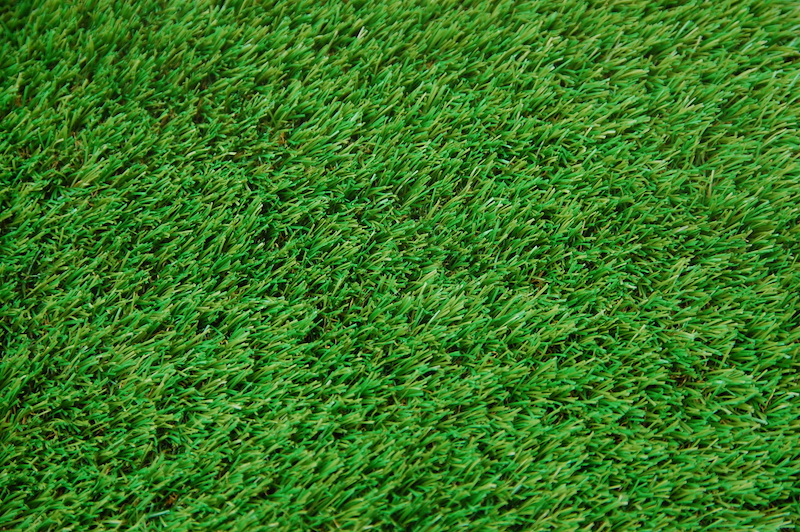
Explore the world of synthetic grass, from how it’s made to its uses and benefits. Learn what synthetic grass is, how it’s different from natural grass, and why it’s becoming a popular choice for homeowners and businesses alike.
Synthetic grass, also known as artificial turf, has come a long way since its introduction in the 1950s. Originally developed for sports fields, synthetic grass is now widely used in residential and commercial settings thanks to its realistic look, low maintenance needs, and durability. But what exactly is synthetic grass, and how does it differ from natural grass? This guide dives into everything you need to know, from the materials used to its many applications and advantages.
What is Synthetic Grass?
Synthetic grass is a surface made from artificial fibers designed to resemble natural grass. Unlike real grass, synthetic grass requires no watering, fertilizing, or mowing, making it an ideal choice for people who want the look of a lush, green lawn without the upkeep. It’s created through a process similar to carpet manufacturing, where synthetic fibers, often called yarns or blades, are sewn onto a backing material. These fibers are usually made from durable plastics like polyethylene or nylon, which withstand wear and weather.
How Synthetic Grass is Made
Synthetic grass is produced using a technique called “tufting,” similar to how carpets are made. Here’s a quick look at the key elements involved:
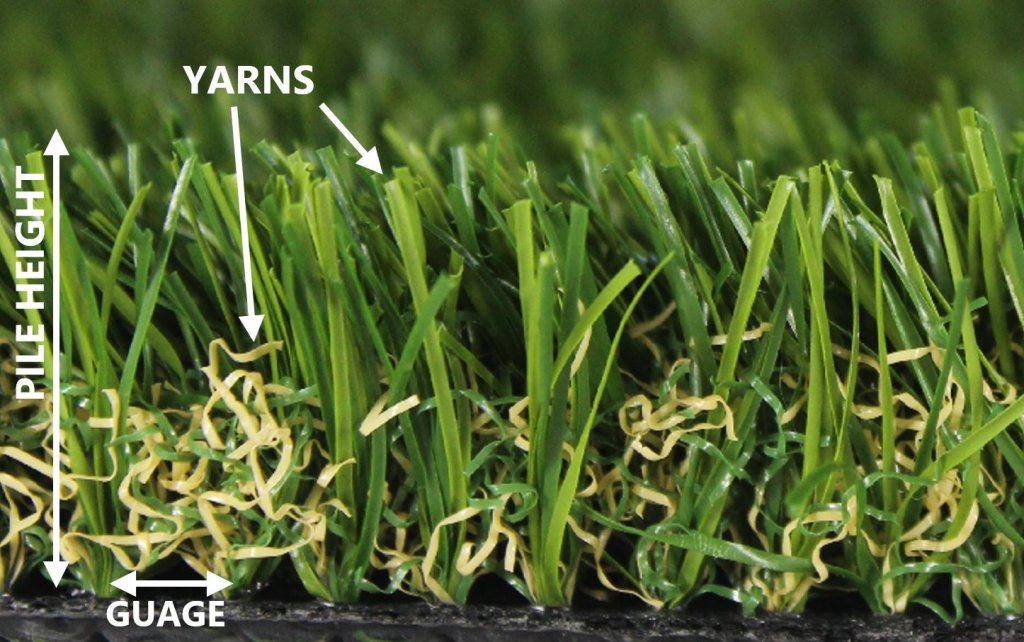
- Fibers (Yarns): The “blades” of synthetic grass are made from nylon or polyethylene (PE). Some yarns have unique shapes, like C, V, or W, which give them added resilience and help the blades stand upright. This design is not only more visually appealing but also helps the grass “spring back” after use, making it ideal for high-traffic areas.
- Backing: The fibers are stitched onto a durable backing, typically made of polypropylene and reinforced with netting. This backing is then coated with either latex or polyurethane for strength. Latex coatings are more eco-friendly, while polyurethane offers extra durability, making it a common choice for heavily used areas.
- Color Tones: Synthetic grass comes in a mix of greens and browns to mimic the appearance of natural grass. You might see products labeled with terms like “4 tones,” which means four different shades were used for a more realistic look.
- Gauge and Density: Gauge refers to the spacing between each row of yarn. A closer gauge and higher density create a fuller, thicker lawn, which is ideal for landscaping and play areas.
- Pile Height: Pile height is the length of the grass blades, measured from the base to the tip. A longer pile height provides a softer, more luxurious feel, while a shorter pile height is often preferred for sports fields or playgrounds.
- dTex: This measurement, known as “decitex,” indicates the weight of the yarn fibers. A higher dTex number means heavier, more durable fibers that can better withstand heavy use, making it an important consideration for high-traffic areas.
Advantages of Synthetic Grass
There are numerous reasons why synthetic grass has gained popularity among homeowners, businesses, and municipalities alike. Here are some of its main benefits:
- Low Maintenance: Synthetic grass eliminates the need for watering, mowing, fertilizing, and pest control. It stays green year-round with minimal effort, saving you both time and money.
- Durability: Built to withstand heavy use, synthetic grass is resistant to wear and tear from foot traffic, pets, and sports activities. With proper installation, it can last 15 to 20 years or more.
- Eco-Friendly: By eliminating the need for water, fertilizers, and pesticides, synthetic grass can help reduce your environmental footprint. Many manufacturers are now offering recyclable and eco-friendly turf options.
- Clean and Safe: Synthetic grass provides a clean, mud-free surface that’s safe for children and pets. For pet areas, there are options with antimicrobial treatments to reduce odors and bacteria growth, providing a safe and pleasant space for animals.
- Versatile Applications: Synthetic grass isn’t just for lawns; it’s commonly used on patios, rooftops, playgrounds, putting greens, and even indoors. Its adaptability makes it a popular choice for both residential and commercial landscaping projects.
Types of Synthetic Grass for Different Uses
Depending on your needs, different synthetic grass types offer specific benefits:
- Landscaping Grass: This type mimics natural grass closely with a soft texture and various color tones, ideal for front yards, backyards, and garden areas.
- Pet-Friendly Grass: Designed to handle pet wear and tear, pet-friendly synthetic grass has high durability and easy drainage, helping to prevent odors and making cleanup a breeze.
- Playground Grass: Playground-specific synthetic grass often includes a padded layer for added shock absorption, creating a safe play surface for children.
- Sports Turf: Sports turf is made to endure high-impact use, with dense, durable fibers that provide stability and traction for sports like soccer, tennis, and golf.
- Putting Green Grass: For golf enthusiasts, putting green grass offers a short, even surface that allows for consistent ball roll and is perfect for backyard putting areas.
Synthetic Grass Maintenance Tips
Although synthetic grass is low-maintenance, a few simple steps can help extend its life and keep it looking its best:
- Rinse Regularly: Rinse your synthetic grass with water every few weeks to remove dust and debris. For pet areas, you may want to rinse more frequently.
- Remove Debris: Clear away leaves, branches, or other debris to prevent them from decomposing on the grass, which can lead to odors or mold.
- Brush the Fibers: Brushing the fibers occasionally will help keep them upright, especially in high-traffic areas. Use a broom or brush with soft bristles to avoid damaging the fibers.
- Clean Up Pet Waste: For pet-friendly synthetic grass, promptly pick up solid waste and rinse the area with water. Consider using a pet-safe cleaner occasionally to keep the area fresh and odor-free.
Is Synthetic Grass Right for You?
If you’re looking for a low-maintenance, durable alternative to natural grass, synthetic grass could be the perfect solution. Whether you want a vibrant green lawn, a pet-friendly yard, or a functional play area for kids, synthetic grass provides a versatile and cost-effective way to create the outdoor space of your dreams. It’s an investment that offers long-lasting beauty and ease, ideal for anyone looking to enhance their outdoor areas without the hassle of traditional lawn care.