
Understanding the Different Synthetic Grass Types: Which One Is Right for You?
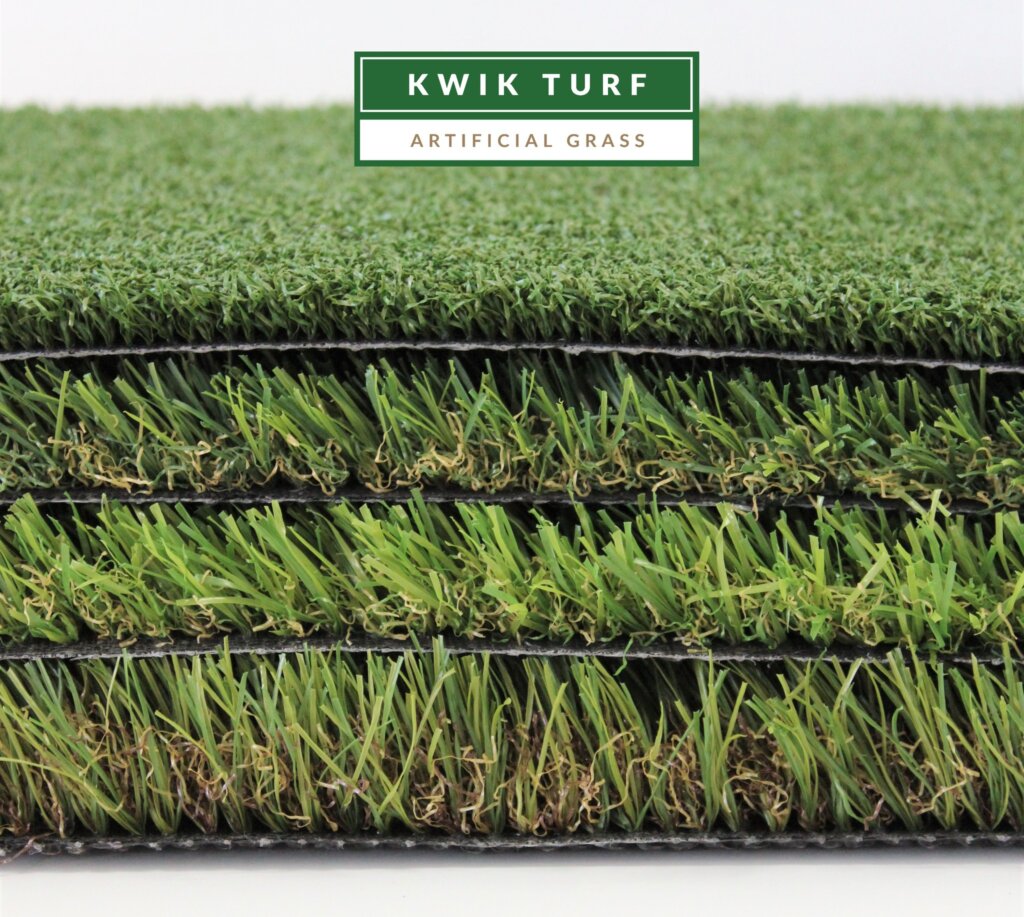
Explore the world of synthetic grass types to find the perfect match for your space. From natural-looking lawns to high-traffic options, learn how to choose the best synthetic grass type for your needs.
Synthetic grass has evolved significantly in recent years, offering an array of styles, textures, and features tailored to different purposes. Whether you’re aiming to create a backyard oasis, a pet-friendly space, or a durable playground area, understanding the different synthetic grass types is key to selecting the right option for your project. This guide will walk you through the most popular synthetic grass types, highlighting their unique features, uses, and how to choose the one best suited for your needs.
Synthetic Grass Types: Key Features and Differences
From natural-looking aesthetics to heavy-duty durability, synthetic grass types vary widely in appearance, feel, and functionality. Here’s an overview of the most common types available on the market today.
1. Landscaping Synthetic Grass
Landscaping synthetic grass is designed to look and feel as close to natural grass as possible, making it ideal for front and backyard lawns. This type often features a mix of different shades of green, brown, and beige fibers, adding depth and a realistic touch.
- Uses: Residential lawns, commercial landscapes, and decorative spaces.
- Features: Soft texture, UV-resistant fibers to prevent fading, and realistic color blends.
- Advantages: Low maintenance and visually appealing, perfect for creating a lush, green lawn that mimics the look of natural grass.
2. Pet-Friendly Synthetic Grass
Pet-friendly synthetic grass is tailored to the needs of pet owners, offering added durability and easy maintenance for pet use. Many pet-friendly options come with antimicrobial properties to reduce odors, as well as superior drainage systems for easy cleanup.
- Uses: Pet yards, dog runs, and kennels.
- Features: Odor control, fast drainage, and a dense, durable surface to withstand pet activity.
- Advantages: Reduces mess, easy to clean, and gentle on paws, making it ideal for pet owners looking for a hassle-free lawn solution.
3. Playground Synthetic Grass
Playground synthetic grass is designed with safety and durability in mind. It’s often installed with shock-absorbing padding beneath the surface to reduce the risk of injuries from falls, making it a popular choice for schools, daycare centers, and family-friendly yards.
- Uses: Playgrounds, schools, daycare centers, and family backyards.
- Features: Shock absorption, non-abrasive fibers, and resilient materials to handle high foot traffic.
- Advantages: Safe for children, soft underfoot, and withstands heavy use, making it a durable choice for active areas.
4. Sports Turf Synthetic Grass
For sports applications, sports turf synthetic grass is crafted to endure rigorous activity, providing a stable and even surface for various sports like soccer, tennis, and golf. It’s often thicker and more resilient than other types to handle the intensity of sports play.
- Uses: Soccer fields, tennis courts, multi-sport complexes, and gyms.
- Features: High resilience, non-slip surface, and a durable build designed for traction and stability.
- Advantages: Reduces wear and tear, provides a consistent surface for play, and stands up to heavy, high-impact use.
5. Putting Green Synthetic Grass
Putting green synthetic grass is specially engineered for a smooth, low-pile surface to mimic the feel of a real golf course. This type is designed to provide consistent ball roll and a natural look, making it a favorite among golf enthusiasts for at-home putting greens.
- Uses: Backyard putting greens, golf courses, and indoor golf areas.
- Features: Low pile height, smooth surface, and fast drainage for outdoor use.
- Advantages: Perfect for golfers, allows for realistic ball movement, and enhances practice opportunities at home.
6. High-Traffic Synthetic Grass
High-traffic synthetic grass is built for durability and resistance to wear, often featuring a thicker, stronger weave and a higher stitch count. It’s a great choice for areas that experience heavy foot traffic or need a long-lasting, durable surface.
- Uses: Pathways, commercial spaces, event venues, and public areas.
- Features: High-density construction, UV stability, and a tough, durable design.
- Advantages: Withstands heavy use, retains appearance over time, and is suitable for both residential and commercial spaces.
How to Choose the Right Synthetic Grass Type for Your Needs
With so many synthetic grass types to choose from, selecting the right one can seem overwhelming. Here’s a guide to help you match each type to your specific needs.
1. Consider the Primary Use
Think about how the area will be used. For example, if it’s a playground, safety is paramount, so you’ll want to choose a playground-specific grass that includes padding. If it’s for a home with pets, look for a pet-friendly option with antimicrobial features and excellent drainage.
2. Evaluate Durability and Traffic Levels
If the area will see heavy use, opt for high-traffic synthetic grass or a sports turf variety, as these are designed for resilience. Areas like pathways, courtyards, or commercial properties benefit from grass that can handle frequent foot traffic without flattening or fading.
3. Match the Look and Feel to Your Aesthetic Goals
Some synthetic grass types, like landscaping or putting green grass, are made to closely resemble natural grass, offering a blend of color shades and soft textures. These are ideal if you want a visually appealing space that looks and feels lush and real.
4. Check Maintenance Requirements
Maintenance needs vary slightly between synthetic grass types. For example, pet-friendly synthetic grass may require regular rinsing to maintain cleanliness, while playground grass might need occasional brushing to keep fibers upright and resilient.
5. Assess Safety Features
If the area will be used by children or pets, prioritize synthetic grass that is non-toxic and lead-free. Many playground and pet-friendly options come with certifications verifying their safety for sensitive users.
Synthetic Grass Types: Which One is Right for You?
Choosing the right synthetic grass type involves balancing function, durability, and aesthetics to create the outdoor space you envision. Here’s a quick summary to help with your decision:
| Synthetic Grass Type | Ideal For | Key Features |
|---|---|---|
| Landscaping Grass | Lawns, decorative areas | Natural look, UV-resistant, soft texture |
| Pet-Friendly Grass | Dog yards, kennels | Odor control, easy drainage, non-toxic |
| Playground Grass | Playgrounds, schools, backyards | Shock absorption, durable, non-abrasive |
| Sports Turf | Sports fields, gyms, tennis courts | Traction, durability, even playing surface |
| Putting Green Grass | Golf greens, putting areas | Smooth surface, low pile, realistic ball roll |
| High-Traffic Grass | Pathways, event venues, commercial | Tough, UV-stable, high-density design |
Choosing the right synthetic grass types for your space ensures a lawn that not only looks great but also functions perfectly for its intended purpose. With this guide, you’ll be able to find the perfect match for your home or business and create an outdoor space that is both beautiful and practical.
For installation tips, browse our Synthetic Grass Cape Town page, or check out our selection of synthetic grass installers near me to bring your vision to life!
