
Build a Strong Foundation with the Right Synthetic Grass Base
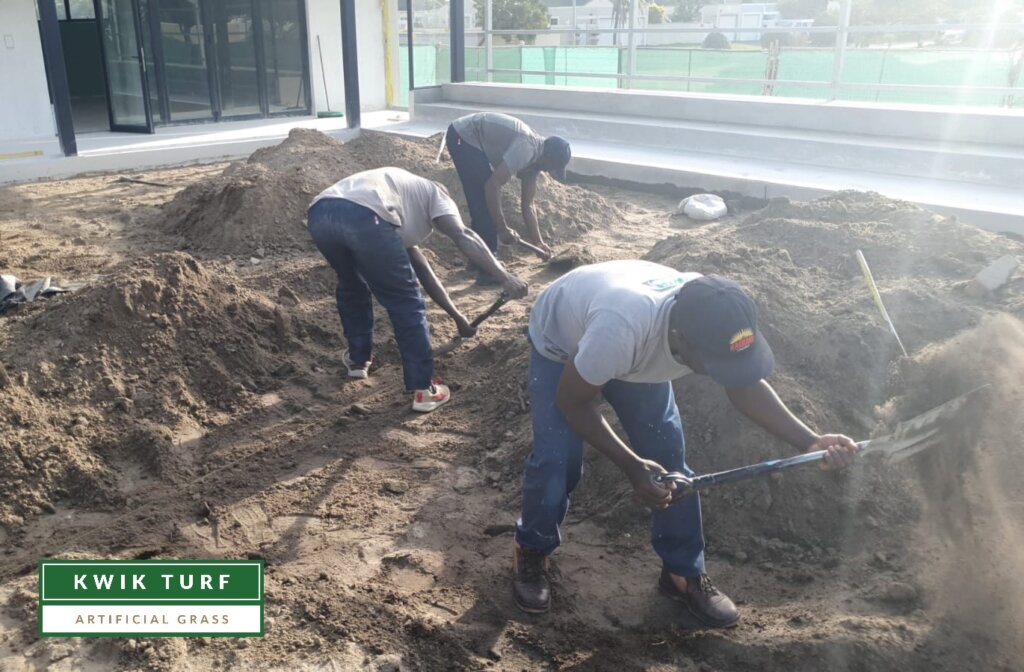
A well-prepared synthetic grass base is the cornerstone of a successful artificial grass installation. Whether you’re planning a backyard lawn, a sports field, or a decorative patio, the subbase ensures durability, drainage, and a smooth surface. Without a proper artificial grass subbase, even the best synthetic turf may fail to perform as expected. This guide covers everything you need to know about choosing, preparing, and maintaining the perfect base for your synthetic grass project.
What Is a Synthetic Grass Base?
The synthetic grass base refers to the layered foundation beneath artificial turf that provides support, stability, and drainage. A proper subbase not only enhances the performance of synthetic grass but also extends its lifespan by preventing issues like sinking, uneven surfaces, or poor drainage.
Importance of a Proper Synthetic Grass Subbase
Ensures Longevity
A stable subbase prevents wear and tear by distributing weight evenly and reducing pressure points that could damage the grass.
Improves Drainage
Without adequate drainage, water can pool under artificial grass, leading to mold, odors, and structural damage.
Maintains Surface Uniformity
A compacted subbase creates a smooth and level surface, preventing wrinkles or lumps in the synthetic grass.
Enhances Safety
For play areas or sports fields, the right base absorbs shock, reducing the risk of injuries.
Materials Used for Synthetic Grass Base
Crushed Stone or Gravel
This is the most common subbase material due to its excellent drainage properties and affordability.
- Benefits: Lightweight, cost-effective, and easy to compact.
- Common Options: Limestone, granite, or aggregate gravel.
Decomposed Granite
A finer material than gravel, decomposed granite offers excellent compaction while maintaining good drainage.
- Best For: Areas that require a firm base for heavy foot traffic.
Sand
Coarse sand is sometimes used as a base layer to smooth out surfaces.
- Limitations: Less effective for drainage compared to gravel.
Geotextile Fabric
This is often used as a barrier between the subbase and soil to prevent weed growth and soil migration.
Steps to Prepare a Synthetic Grass Subbase
Step 1: Clear the Area
Remove existing grass, rocks, roots, and debris. A clean surface prevents complications during installation.
Step 2: Excavate the Soil
Dig down to the required depth, typically 5–10 cm for residential lawns and up to 15 cm for heavy-use areas.
Step 3: Install Geotextile Fabric
Lay a geotextile weed barrier to prevent weeds from growing through the artificial turf.
Step 4: Add Subbase Material
Spread the chosen subbase material evenly across the area, ensuring the layer is consistent in depth.
Step 5: Compact the Subbase
Use a plate compactor to compress the subbase material, creating a solid and level surface. Compacting multiple layers ensures stability.
Step 6: Final Grading
Smooth out the surface using a screed board or rake, ensuring proper slope for drainage.
Choosing the Right Subbase for Your Artificial Grass Project
Residential Lawns
- Recommended Materials: Crushed stone or decomposed granite.
- Depth: 5–8 cm for light foot traffic.
Play Areas
- Recommended Materials: Shock-absorbing underlays like foam combined with gravel.
- Depth: 8–10 cm to cushion falls.
Sports Fields
- Recommended Materials: Permeable aggregates with excellent drainage.
- Depth: 15 cm or more for high impact and heavy use.
Commercial Applications
- Recommended Materials: Heavy-duty gravel or compacted stone.
- Depth: 10–15 cm to support heavy loads.
Advantages of a Proper Synthetic Grass Base
Durable and Long-Lasting
A well-installed base withstands weather changes, foot traffic, and heavy use without deteriorating.
Environmentally Friendly
Recycled materials like crushed concrete can be used in the subbase, reducing waste.
Improved Functionality
With optimal drainage and shock absorption, the grass performs better and requires less maintenance.
Common Mistakes to Avoid
- Skipping Excavation: Failing to remove enough soil can lead to an unstable foundation.
- Inadequate Compaction: Without proper compaction, the surface may sink or shift over time.
- Using Non-Permeable Materials: Materials that trap water can cause drainage issues and structural damage.
Comparing Subbase Materials for Artificial Grass
| Material | Drainage | Durability | Cost | Best Use |
|---|---|---|---|---|
| Crushed Stone/Gravel | Excellent | High | Affordable | General use, residential lawns |
| Decomposed Granite | Good | Very High | Moderate | Heavy traffic, sports fields |
| Sand | Moderate | Moderate | Low | Light foot traffic, smoothing |
| Geotextile Fabric | Prevents clogging | Long-lasting | Low | Weed prevention, soil separation |
FAQs About Synthetic Grass Base
The base ensures stability, drainage, and a smooth surface for artificial turf, enhancing its durability and appearance.
The depth depends on the application, ranging from 5–10 cm for residential use to 15 cm or more for sports fields.
While possible, skipping the base often leads to uneven surfaces, poor drainage, and reduced grass longevity.
Regularly check for settling or drainage issues and recompact or refill material as needed.
Crushed stone, gravel, and decomposed granite are excellent options for drainage in artificial grass bases.
Yes, it prevents weeds and soil migration, maintaining the integrity of the base over time.
Creating the perfect synthetic grass base is a crucial step in achieving a durable, visually appealing, and functional artificial grass installation. From selecting the right materials like crushed stone or decomposed granite to ensuring proper compaction and drainage, every detail contributes to the success of the project. Whether you’re installing synthetic grass for a backyard, playground, or sports field, a well-prepared base guarantees a long-lasting and trouble-free surface.