
How Synthetic Grass for Playgrounds Revolutionizes Safe Play Spaces
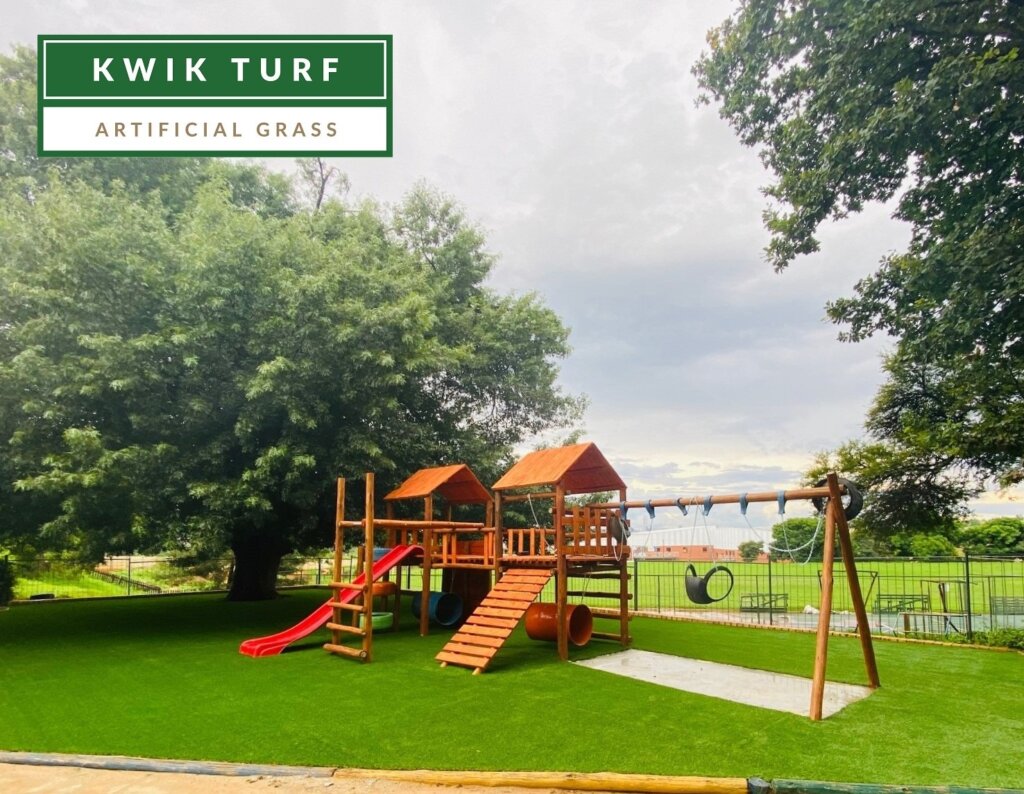
Modern playgrounds are designed to be safe, durable, and engaging, and synthetic grass has become a go-to solution for surfacing these spaces. Synthetic grass for playgrounds not only enhances safety but also adds aesthetic appeal while reducing maintenance. This detailed guide will explore the advantages, installation process, and maintenance tips for synthetic grass on playgrounds, helping you create the ultimate play environment.
What Is Synthetic Grass for Playgrounds?
Synthetic grass for playgrounds is a specially designed turf surface made from durable, non-toxic materials. It often includes additional cushioning layers to absorb impact, providing a safer play surface for children. It mimics the look and feel of natural grass without the drawbacks like muddy patches, allergens, or frequent upkeep.
Benefits of Synthetic Grass for Playgrounds
1. Enhanced Safety
- Shock Absorption: Includes padded underlay to reduce injury risk from falls.
- Non-Toxic: Made from child-safe materials, free from harmful chemicals.
- Slip-Resistant: Provides better grip, even when wet.
2. Low Maintenance
- No mowing, watering, or reseeding required.
- Easily cleaned with a hose or blower to remove debris.
- Long-lasting durability in high-traffic areas.
3. Weather Resistance
- UV-stabilized to prevent fading in sunlight.
- Drains water efficiently, preventing puddles after rain.
4. Eco-Friendly
- Reduces water consumption compared to natural grass.
- Eliminates the need for pesticides or fertilizers.
5. Visual Appeal
- Maintains a lush, green look year-round.
- Creates a uniform, clean surface ideal for themed playgrounds.
Ideal Applications of Synthetic Grass for Playgrounds
Synthetic grass is suitable for various play environments, including:
- School Playgrounds: Enhances safety and reduces allergens for children.
- Public Parks: Durable enough for heavy foot traffic.
- Daycares: Soft, cushioned surface for toddlers.
- Backyard Play Areas: Adds a professional look to home playgrounds.
- Sports Fields: Multi-functional use for play and sports activities.
How to Choose the Right Synthetic Grass for Playgrounds
1. Pile Height and Density
- Opt for medium-pile heights (30-50mm) for comfort and durability.
- Higher density offers better cushioning and longevity.
2. Shock-Absorbing Layer
- Look for turf with an underlay that meets critical fall height standards to ensure safety.
3. Drainage System
- Choose grass with excellent drainage to prevent water accumulation.
4. UV Resistance
- Ensure the turf is UV-protected to retain its color and strength under direct sunlight.
Step-by-Step Guide to Installing Synthetic Grass for Playgrounds
Installing synthetic grass for playgrounds is a multi-step process to ensure a safe and durable play surface.
Materials Needed
- Synthetic grass rolls
- Shock-absorbing underlay
- Crushed stone base
- Landscape fabric
- Adhesive or staples
- Utility knife
- Sand infill
Steps
- Prepare the Base
- Remove existing grass or debris.
- Level the surface and compact it.
- Add a Crushed Stone Layer
- Spread a layer of crushed stone for stability.
- Compact it thoroughly to prevent unevenness.
- Lay the Shock-Absorbing Underlay
- Place the padded underlay across the area to cushion falls.
- Install Synthetic Grass
- Unroll the synthetic grass over the prepared surface.
- Cut edges to fit the play area using a utility knife.
- Secure the Grass
- Use adhesive or staples to hold the turf in place.
- Seam tape may be needed for connecting rolls.
- Add Sand Infill
- Spread sand infill evenly to keep the fibers upright and provide additional cushioning.
- Brush and Inspect
- Use a stiff-bristled broom to fluff up the grass.
- Inspect for any loose edges or gaps.
Creative Playground Designs with Synthetic Grass
1. Themed Playgrounds
Combine synthetic grass with colorful rubber surfacing for themed designs like jungles or space adventures. See more synthetic grass inspiration here.
2. Multi-Purpose Spaces
Blend artificial turf with hardscapes to create areas for play, sports, and seating.
3. Obstacle Courses
Use synthetic grass to design safe surfaces around climbing frames and balance beams.
Maintaining Synthetic Grass on Playgrounds
1. Regular Cleaning
- Remove debris like leaves and twigs weekly.
- Use a mild soap solution for spills or stains.
2. Brush the Turf
- Brushing ensures fibers remain upright and natural-looking.
3. Check for Wear and Tear
- Inspect seams, edges, and the padded layer for damage regularly.
4. Disinfect the Surface
- Periodically apply a child-safe disinfectant to maintain hygiene.
FAQs About Synthetic Grass for Playgrounds
Yes, synthetic grass for playgrounds is designed with child safety in mind, including soft surfaces and non-toxic materials.
In direct sunlight, synthetic grass can become warm. Installing shade structures or applying water can keep it cool.
With proper care, synthetic grass can last 8–15 years, depending on usage and quality.
Yes, synthetic grass is safe for pets and easy to clean if used in playgrounds shared with animals.
High-quality synthetic grass has excellent drainage, preventing water accumulation and ensuring quick drying.
Synthetic grass for playgrounds is a transformative solution that combines safety, aesthetics, and functionality. From schoolyards to backyard play areas, it offers a durable and low-maintenance alternative to traditional surfaces. By selecting the right type of turf and ensuring proper installation, you can create a safe, inviting space that children will enjoy for years to come.