
Why Synthetic Grass on Concrete is the Best Choice for Your Space
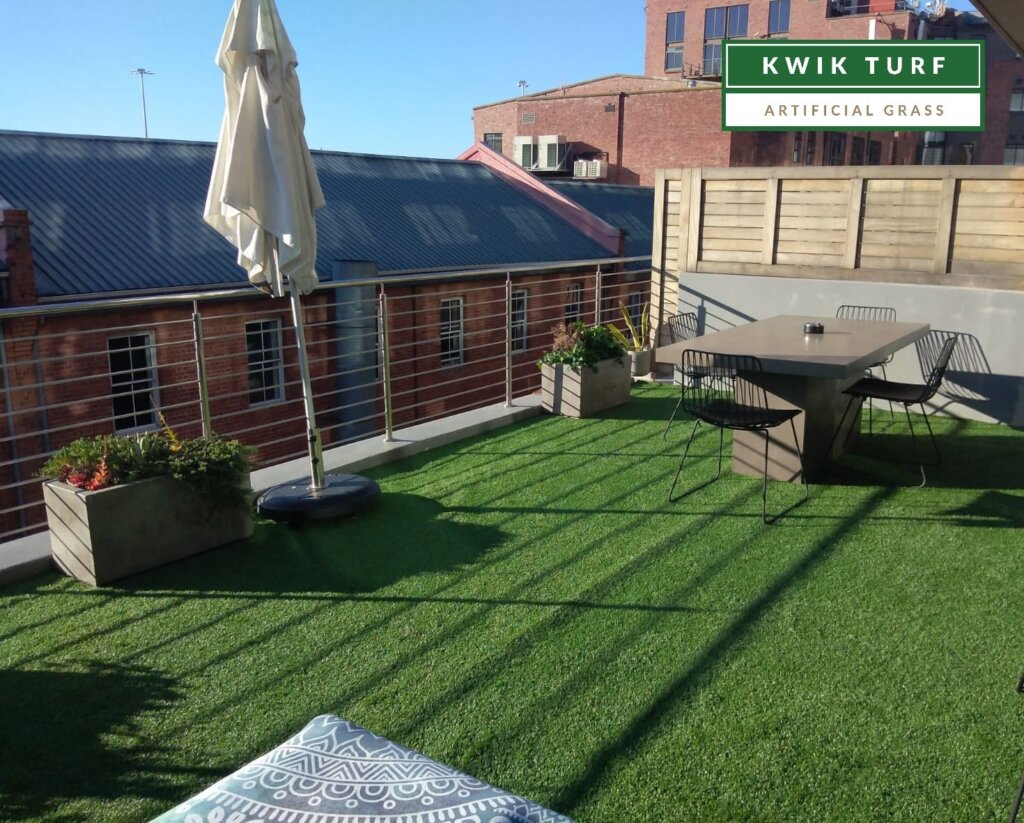
Concrete is a durable and widely used surface, but it lacks warmth, comfort, and aesthetic appeal. If you have a concrete patio, balcony, or driveway, you might be wondering how to make it more inviting. That’s where synthetic grass on concrete comes in! It’s a game-changer, offering a softer, more practical, and visually appealing alternative to bare concrete.
In this article, we’ll explore why artificial turf is the best solution for upgrading hard surfaces, providing comfort, beauty, and long-term benefits.
Why Choose Synthetic Grass on Concrete?
Installing synthetic grass over concrete is becoming increasingly popular for homeowners and businesses looking to enhance their outdoor spaces. Here’s why:
- It’s Softer and More Comfortable – No more harsh, hard surfaces underfoot.
- Adds Greenery and Beauty – Transforms dull concrete into a lush oasis.
- Low-Maintenance and Durable – No mowing, watering, or expensive upkeep.
- Great for Kids and Pets – Safe, cushioned, and enjoyable to play on.
- Enhances Drainage and Reduces Heat – Stays cooler than concrete and allows water to flow.
Now, let’s dive deeper into each of these benefits.
1. A Softer and More Comfortable Surface
One of the biggest advantages of synthetic grass on concrete is that it creates a soft, cushioned surface that feels great underfoot. Walking or sitting on concrete can be tough on your joints, but artificial turf adds a layer of padding that makes your space much more comfortable.
This is especially beneficial in:
- Synthetic grass for playgrounds – No more scraped knees from hard falls!
- Pet-friendly zones – A soft, comfortable area for your furry friends.
- Outdoor lounging spaces – Perfect for barefoot relaxation on balconies and patios.
By installing synthetic turf, you turn your concrete into a welcoming, cozy retreat.
2. More Practical and Low-Maintenance
Unlike natural grass, which requires watering, mowing, and fertilizing, artificial grass is practically maintenance-free. Once installed, it stays green and vibrant without any effort.
With synthetic grass, you can say goodbye to:
✔ Watering – Save on water bills and help the environment.
✔ Weeding & Pesticides – No need for harmful chemicals.
✔ Fertilizing & Mowing – Enjoy a perfect lawn without the work.
Concrete may be durable, but it can crack, stain, and become slippery when wet. Artificial turf covers imperfections, hides stains, and provides a non-slip surface that’s safer and more functional.
3. Visually Appealing and Enhances Any Space
Plain concrete isn’t always the most attractive surface. It can look cold, industrial, and uninviting. Synthetic grass transforms the look of your space, adding natural beauty and greenery without the hassle of real grass.
Where can you install synthetic turf on concrete?
- Patios & Balconies – Bring a natural touch to your outdoor living space.
- Rooftop Gardens – Create a lush escape in urban settings.
- Pool Decks – A soft, slip-resistant surface around water.
- Driveways & Walkways – Enhance curb appeal with a modern touch.
- Commercial Spaces – Improve aesthetics for businesses and office spaces.
With artificial turf, your concrete space becomes an inviting, stylish environment that complements any setting.
4. Pet & Kid-Friendly – A Safer Option for Families
Concrete is hard, rough, and unforgiving when kids fall or pets play. Artificial grass provides a padded surface that’s safer for both.
Why is synthetic grass better for kids and pets?
- Cushioned Protection: Reduces the impact of falls and rough play.
- Non-Toxic & Allergen-Free: No chemicals, pesticides, or fertilizers.
- Easy to Clean: Simply rinse off pet messes with water.
- No Mud or Dirt: Keeps kids and pets cleaner compared to real grass.
If you want a safer, more comfortable outdoor space for your family, artificial turf is the perfect choice!
5. Better Drainage & Temperature Control
Concrete surfaces can become extremely hot under direct sunlight, making them uncomfortable to walk on. Synthetic grass stays cooler than concrete, reducing heat absorption and creating a more pleasant environment.
Additionally, artificial turf is designed with built-in drainage systems, allowing water to pass through easily. Unlike concrete, which can accumulate puddles, synthetic grass prevents slippery surfaces and water damage.
How to Install Synthetic Grass on Concrete
Installing synthetic grass over concrete is straightforward and can be done professionally or as a DIY project. Here’s a step-by-step breakdown:
Step 1: Prepare the Surface
- Clean the concrete to remove debris and dirt.
- Fill in any cracks or uneven areas.
Step 2: Install Drainage (Optional but Recommended)
- If drainage is a concern, add a permeable backing or foam underlay to help with water flow.
Step 3: Lay the Artificial Turf
- Roll out the artificial grass and let it settle for a few hours.
- Cut the turf to fit the space accurately.
Step 4: Secure the Edges
- Use adhesive, nails, or weighted edges to keep the turf in place.
Step 5: Final Grooming
- Brush the turf to fluff up the fibers.
- Add infill if necessary for extra cushioning and stability.
With proper installation, your synthetic grass on concrete will look seamless and natural while providing years of comfort and durability.
Final Thoughts – Why Synthetic Grass on Concrete is a Smart Investment
If you’re looking for a way to upgrade your concrete patio, balcony, driveway, or pool deck, synthetic grass is the best solution. It offers:
✅ A softer, more comfortable surface for relaxation and play.
✅ A low-maintenance alternative that stays green year-round.
✅ An aesthetically pleasing transformation of dull concrete areas.
✅ A safe, pet-friendly, and kid-friendly environment.
✅ Better drainage and cooler temperatures compared to concrete.
Don’t settle for a boring, hard surface—transform your space today with synthetic grass on concrete!
FAQs
Yes! It’s a straightforward process, and professionals can install it quickly for the best results.
Yes, artificial turf is designed with drainage holes to prevent water buildup. For best results, a foam underlay can be added.
It’s cooler than concrete but can warm up in direct sun. Using shade, light-colored infill, or misting can keep it cool.
Absolutely! It’s non-toxic, easy to clean, and provides a soft surface for pets to enjoy.
Yes! Heavy-duty synthetic turf is available for driveways and parking areas.